TERRA

The family built to go beyond the tarmac: Gulliver monocoque and Mercedes Sprinter 2.0 CDI 190 hp with 9G-Tronic automatic gearbox.
The whole range drives on a standard B licence.
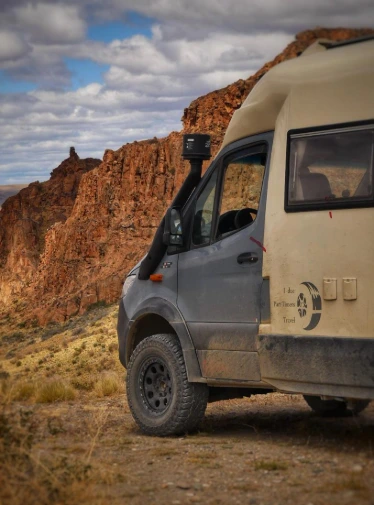
Configure your XGulliver around your travel style: choose your favourite interior layout among Expedition, Lounge, Sport and Vario, and pair it with one of our 4 mechanical set-ups: Look X, Carbon Trial, Kevlar Trial and Honeycomb Trial. Discover all the possibilities. No journey will be impossible.
The models
Mechanics chosen, now the living space: four ways of life on board.
EXPEDITION
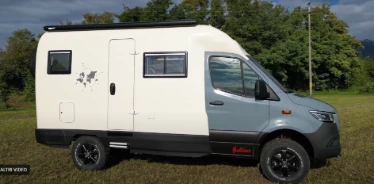
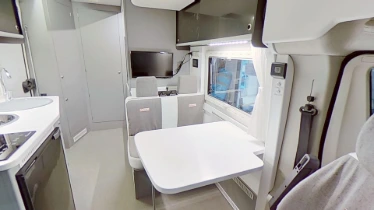
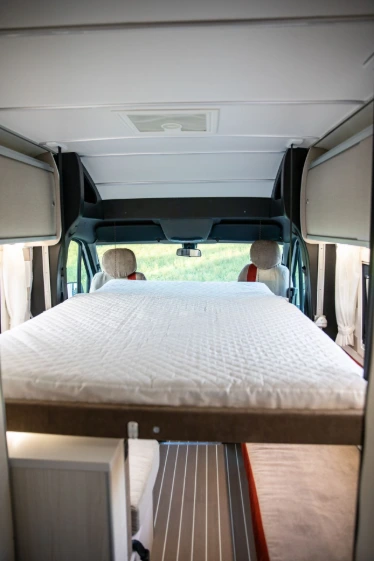
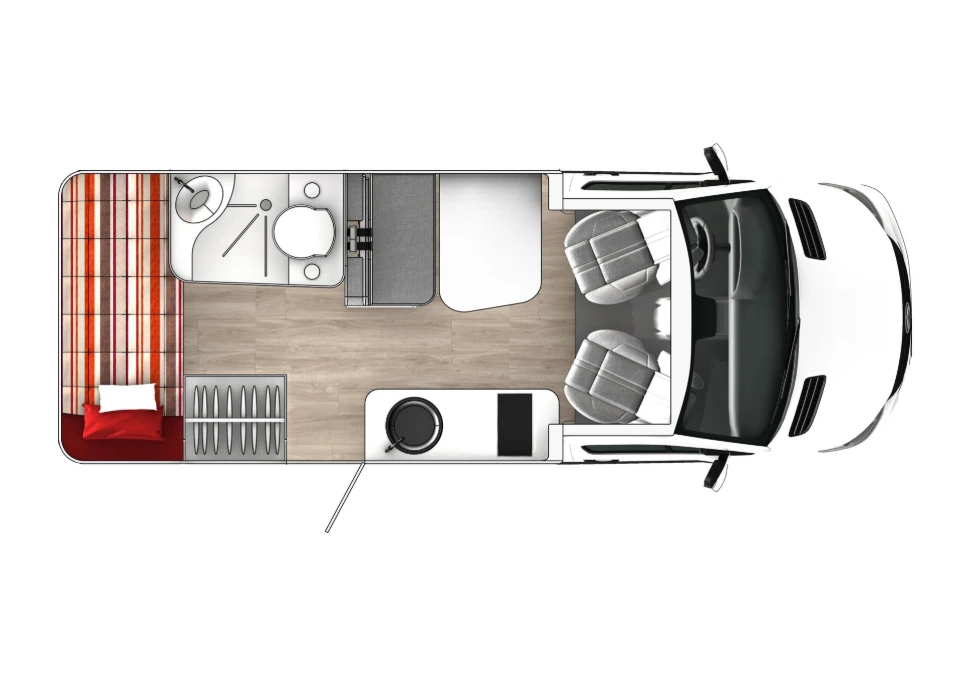
From 1 to 4 berths: drop-down bed over dinette and kitchen, rear area convertible into beds or a full-height cargo bay, optional motorbike ramp.
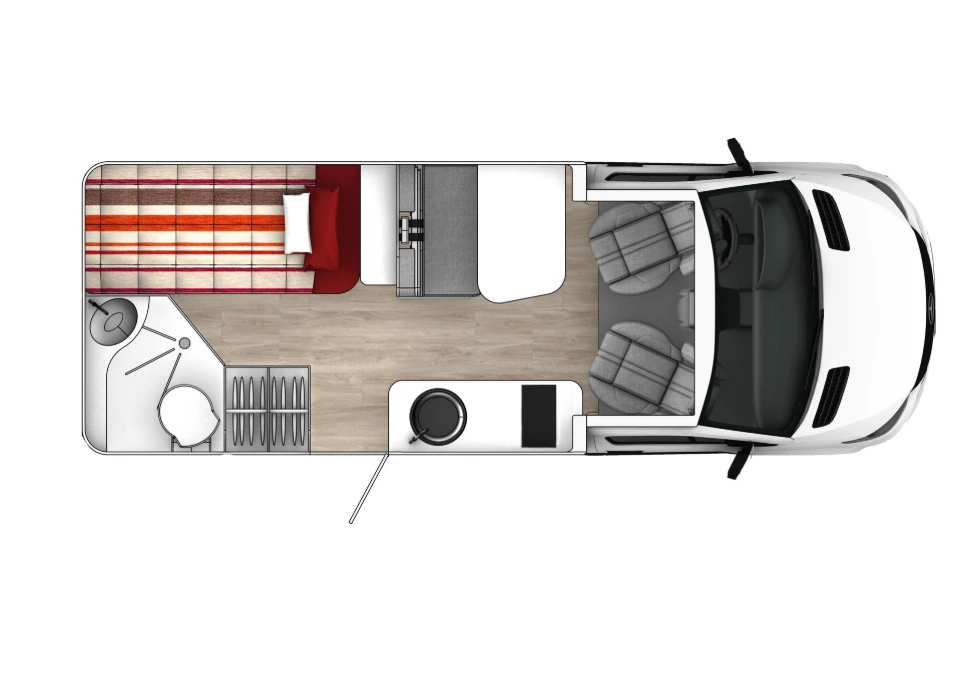
SPORT
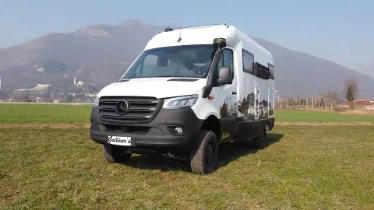
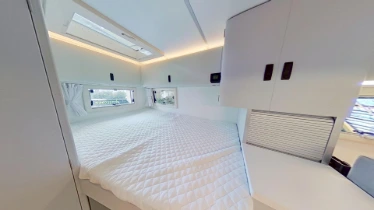
The compact one: a French bed always ready above the pass-through gear locker, an essential kitchen and a 4-seat dinette.
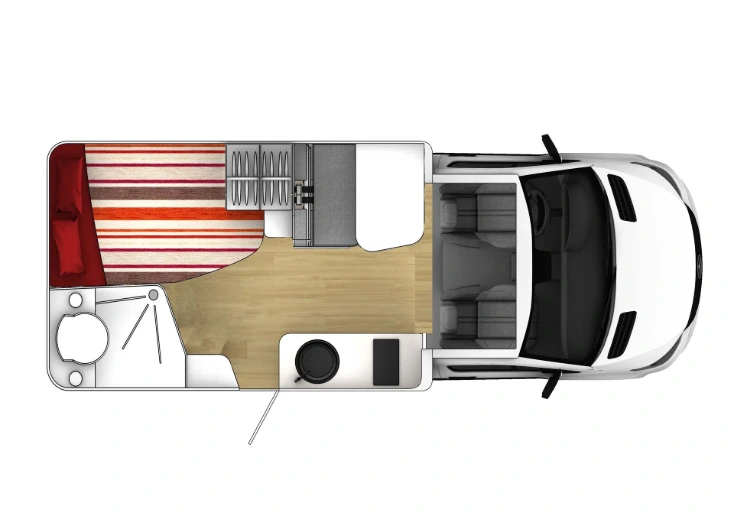
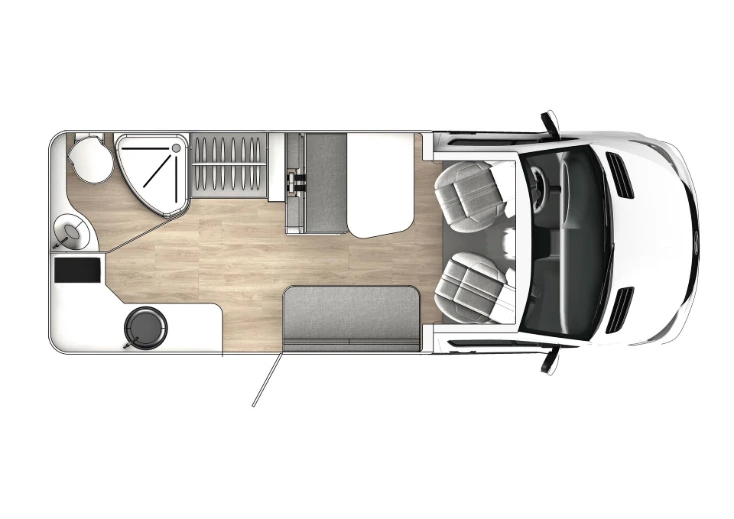
LOUNGE
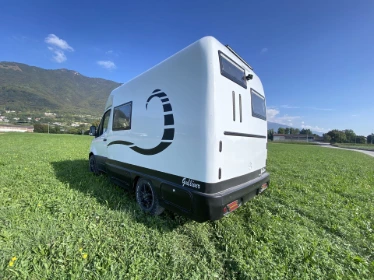
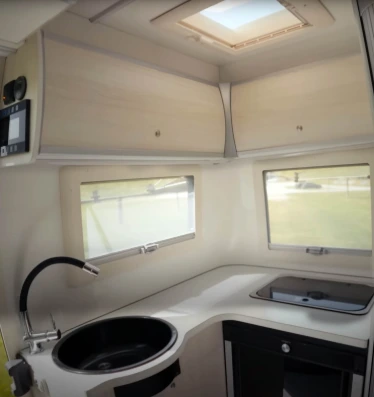
The convivial one: a living area with half-dinette and sofa, an L-shaped rear kitchen with two panoramic windows, a dinette for up to 6.
VARIO
The modular one of the family: flexible configurations that adapt to work and travel, to change set-up every time plans change. Full details coming soon.
Choose your mechanical set-up
Every XGulliver 590 is born twice: first the mechanics, then the living space. Four set-ups, from styling to pure off-road — the choice that defines your vehicle’s character.
LOOK X
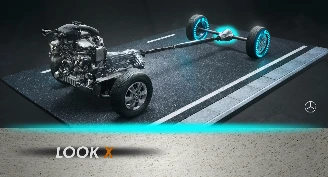
For road use and light gravel, worry-free: for those who love to push a little further, without overdoing it.
Discover the set-up →New for 2027CARBON TRIAL
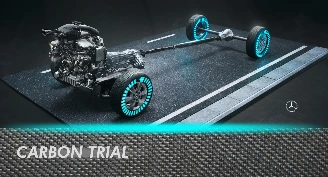
The true, versatile 4x4: at ease on rough terrain, safe on ice and snow, and a motorway cruncher with car-like comfort.
Discover the set-up →4x4KEVLAR TRIAL
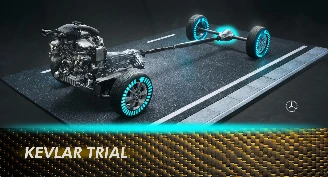
For those who put off-road first: traction on demand, with the lightest shell of the family.
Discover the set-up →4x4HONEYCOMB TRIAL
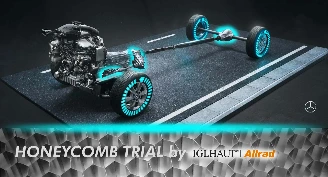
The pure off-roader: total control of the all-wheel drive, for the toughest terrain on the planet.
Discover the set-up →Pure off-roadWhich set-up is right for you?
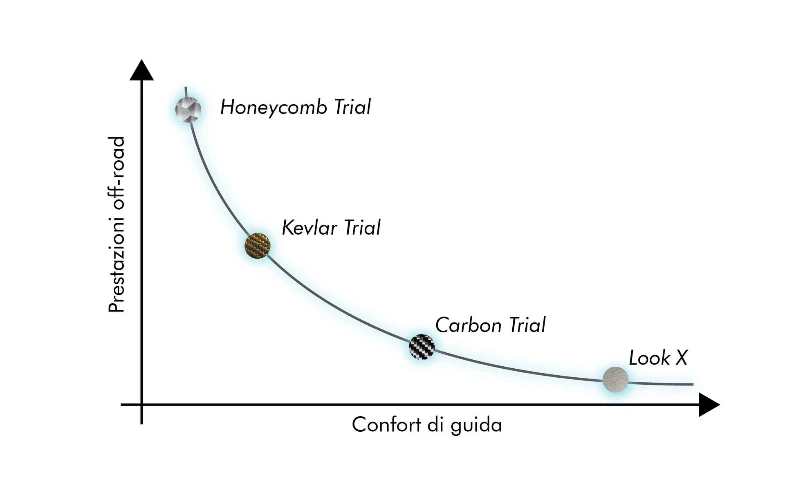
There is no such thing as the best solution: there is the one that suits your travel style. Each set-up shifts the balance between driving comfort and off-road capability, as the chart shows.
Look X favours roads and light gravel, in total serenity. Carbon Trial is the versatile 4x4, at ease off-road and tireless on the motorway. Kevlar Trial moves the needle towards off-road, with traction you engage when needed. Honeycomb Trial is pure off-road, born for the toughest terrain. Start from how you travel — and the choice makes itself.
XGulliver — 30 years of evolution beyond the road
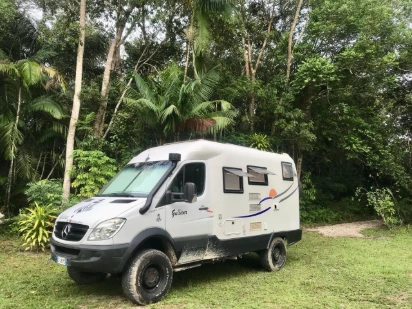
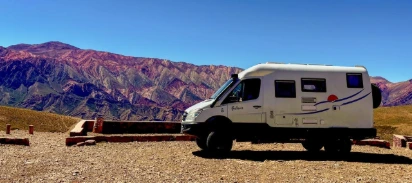
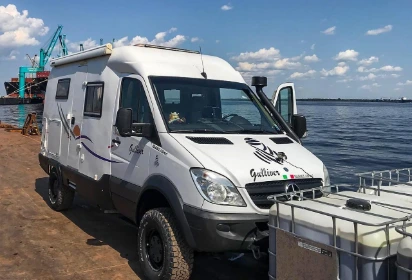
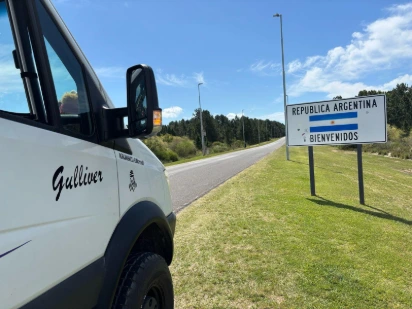
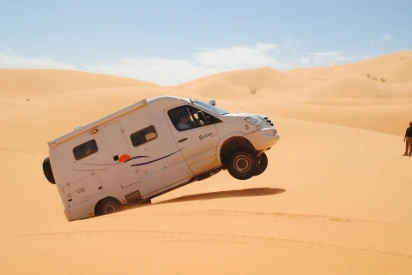
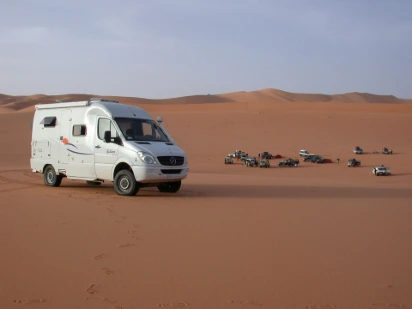
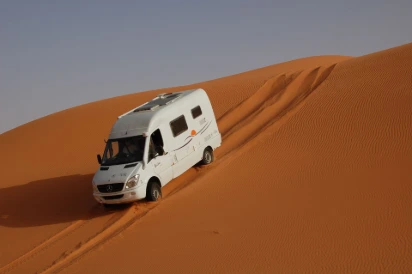
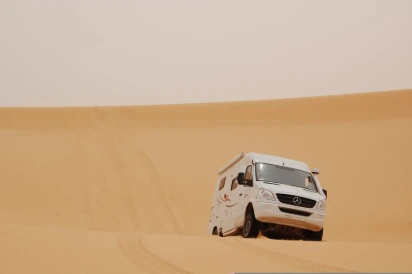
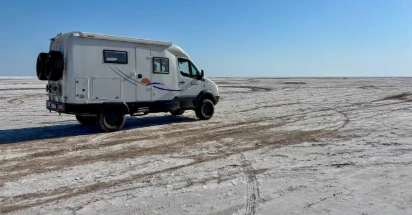

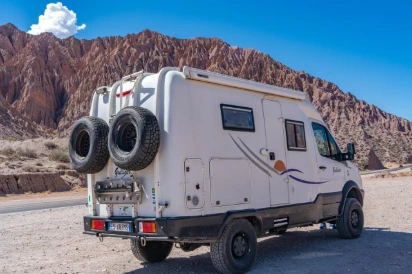

Carbon fibre 4x4 campers: our experience since 2010
Carbon fibre has become the word of the moment in off-road campers. At Gulliver's, it's been part of our workshop for over fifteen years: we built our first carbon-fibre 4x4 monocoque in 2010, long before the material became a marketing headline.
Why weight is what actually matters
A carbon-fibre shell is only worth building if it actually makes the vehicle lighter — and lighter is what keeps a 4x4 camper drivable on a standard car licence, under the 3,500 kg threshold. Carbon fibre used purely as a styling or marketing statement, without a genuine weight-reduction design, can still push a finished vehicle well past that limit — at which point the licence requirement changes, along with everyday usability.
It's a question worth asking about any 4x4 camper: is the carbon fibre actually saving weight, or just adding a name to the spec sheet?
How we build our 4x4 campers
We start with carbon fibre: our Carbon Trial preparation uses a monocoque laminated in carbon fibre and epoxy resin, with an insulating core of water-repellent closed-cell expanded PVC — the same construction logic used in boat hulls, shaped directly in the mould rather than assembled from panels. It's the starting point of our off-road range: lighter and stiffer than fibreglass, built to take the vibration and torsion of rough terrain without flexing at the joints, because there are none.
From there, our technical capability goes further: the Kevlar Trial and Honeycomb Trial preparations grow from the same base and push it a step further, with aluminium honeycomb cores and mechanical four-wheel-drive systems built for the toughest ground — a continuous path of evolution, not three separate products.
Frequently asked questions
What is a carbon-fibre camper monocoque?
It's a single, seamless shell laminated in carbon fibre and resin, built in a mould rather than assembled from separate panels — similar to how a boat hull is made. It removes the joints and seams that are usually the weak points of a traditional structure.
What are the advantages of carbon fibre over fibreglass?
Carbon fibre offers a higher strength-to-weight ratio: for the same strength, a carbon-fibre shell can be significantly lighter than a fibreglass one, which matters directly for how much weight is left over for water, batteries and equipment.
What driving licence do I need for a 4x4 camper?
A vehicle with a technically permissible maximum mass up to 3,500 kg can be driven with a standard category B licence. Above that threshold, a heavier category is required — which is why keeping the finished vehicle's weight under control matters just as much as the choice of material.
Since when has Gulliver's been building carbon-fibre 4x4 campers?
Since 2010. Our Carbon Trial preparation is the result of over fifteen years of continuous development on carbon-fibre monocoques for off-road use, not a first prototype.
Does carbon fibre automatically mean a lighter camper?
Not by itself. Carbon fibre only reduces weight when the whole vehicle — chassis, mechanics, fittings — is engineered around that goal. Used as a styling choice on an otherwise standard structure, it adds cost without necessarily changing the finished weight.
Does a lighter camper let me tow more?
The maximum towable mass is set by the chassis manufacturer and doesn't change with the body material. But a lighter vehicle leaves more real margin within that limit: less weight ‘used up’ by the shell means more mass available for the trailer, for cargo, or for both — without having to choose what to leave behind.
Does a lighter camper really use less fuel?
Yes, and it's basic physics: with the same engine and route, a lighter vehicle needs less energy to accelerate and maintain speed, especially uphill or off-road where the engine works harder. Every kilogram saved on the shell translates into lower everyday fuel consumption.
What licence do I need for a camper over 3,500 kg?
You need a category C1 licence, valid up to 7,500 kg. It's a different category from a standard car licence: it requires a specific medical examination, a theory exam, and a practical test dedicated to driving heavier vehicles (braking, blind spots, wind sensitivity). The EU has proposed raising the standard-licence threshold for campers to 4,250 kg, but the rule hasn't been adopted in Italy yet: it isn't expected to apply before 2028-2029.
Can a heavy camper enter historic city centres?
It depends on the municipality, but it's common for limited-traffic-zone regulations to set the permit threshold at exactly 3,500 kg — as is the case in Como and Genoa, for example. A vehicle above that weight can find itself excluded from some historic centres regardless of emissions or size.
Does weight matter off-road too, not just on the road?
Yes, and it matters a lot. On difficult terrain — sand, mud, snow, rocks — a lighter vehicle sinks less, puts less load through each wheel at the critical points, and needs less traction to get moving again. In practice, a lighter 4x4 camper gets stuck less often and frees itself more easily when things get complicated — an advantage that shows exactly where an off-road vehicle has to prove what it can do.
In Germany, does a camper over 3,500 kg have a different speed limit?
Speed is never a goal in itself — it's a safety margin you need when it really counts: overtaking a truck on a tricky stretch has to be finished quickly, not left half-done; on a long drive, having power in reserve means covering distance in less time while keeping grip, braking and fuel consumption within their optimal margins, instead of driving the vehicle at its limit the whole way. Under 3,500 kg a camper is treated like a car, and that reserve is always there. Above 3,500 kg, German law (the 12th Exemption Ordinance to the StVO) sets a 100 km/h motorway cap — provided the registration document lists it as a ‘Wohnmobil’; otherwise the limit drops to 80 km/h, the same as a truck. Exactly when that reserve would matter most, it isn't there.
Doesn't lighter mean more fragile?
It's a natural objection, but in 2026 the old dogma that 'heavier equals stronger' is an outdated idea. Motorsport and aviation moved to composite materials decades ago for exactly this reason: for the same thickness, carbon fibre offers strength and toughness well beyond what much heavier structures achieve, plus excellent thermal insulation. The technique has flipped the equation — today, lighter doesn't mean fragile, it means high-performing, strong and modern.